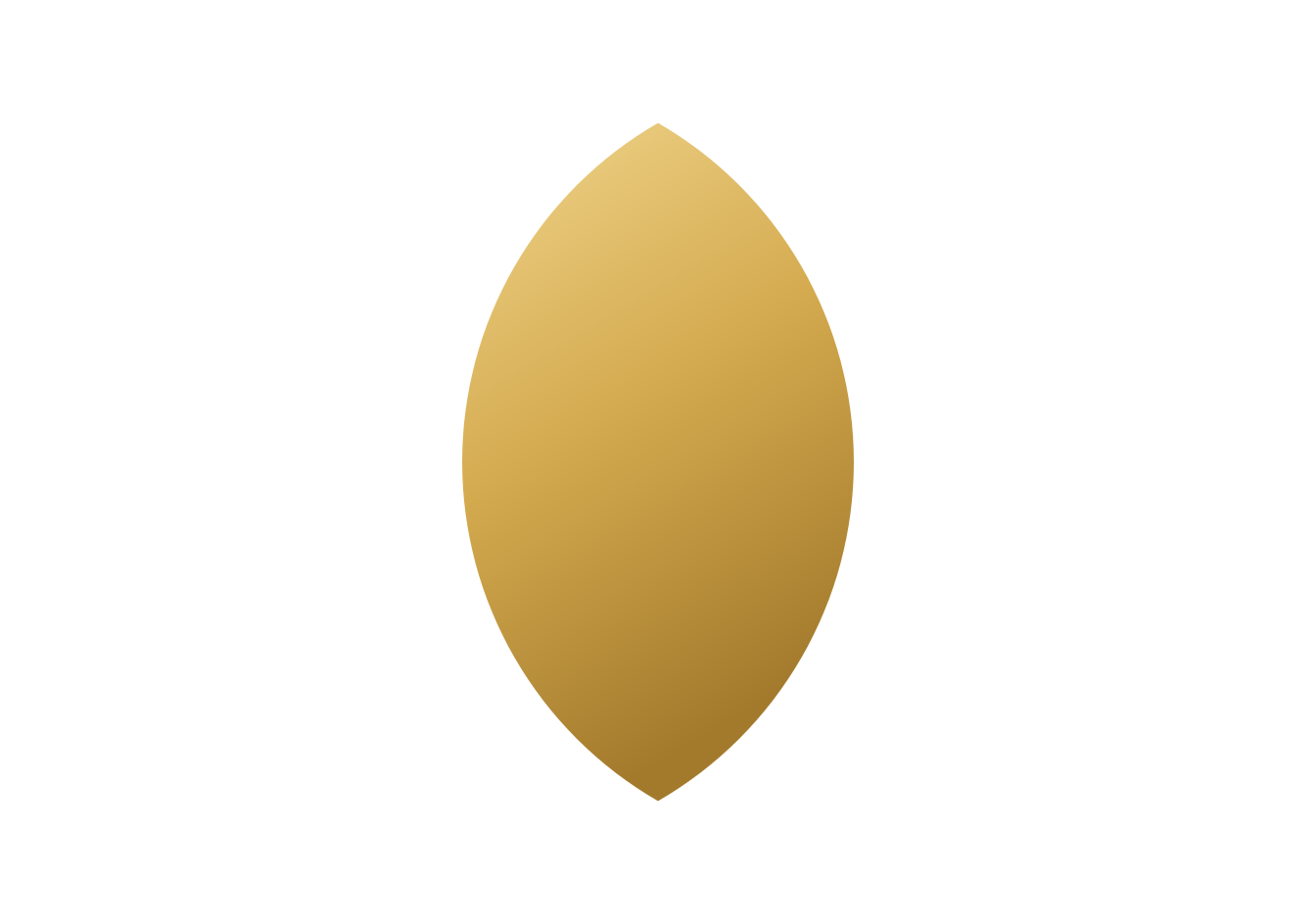
Vesica piscis
Two circles of one radius, each set on the centre of the other.
Read the plate
Six petal rosette
One compass opening, never changed.
Read the plate
Trefoil
Three lobes centred on an equilateral triangle, one of the commonest openings in Gothic window tracery.
Read the plate
Quatrefoil
Four lobes on the corners of a square.
Read the plate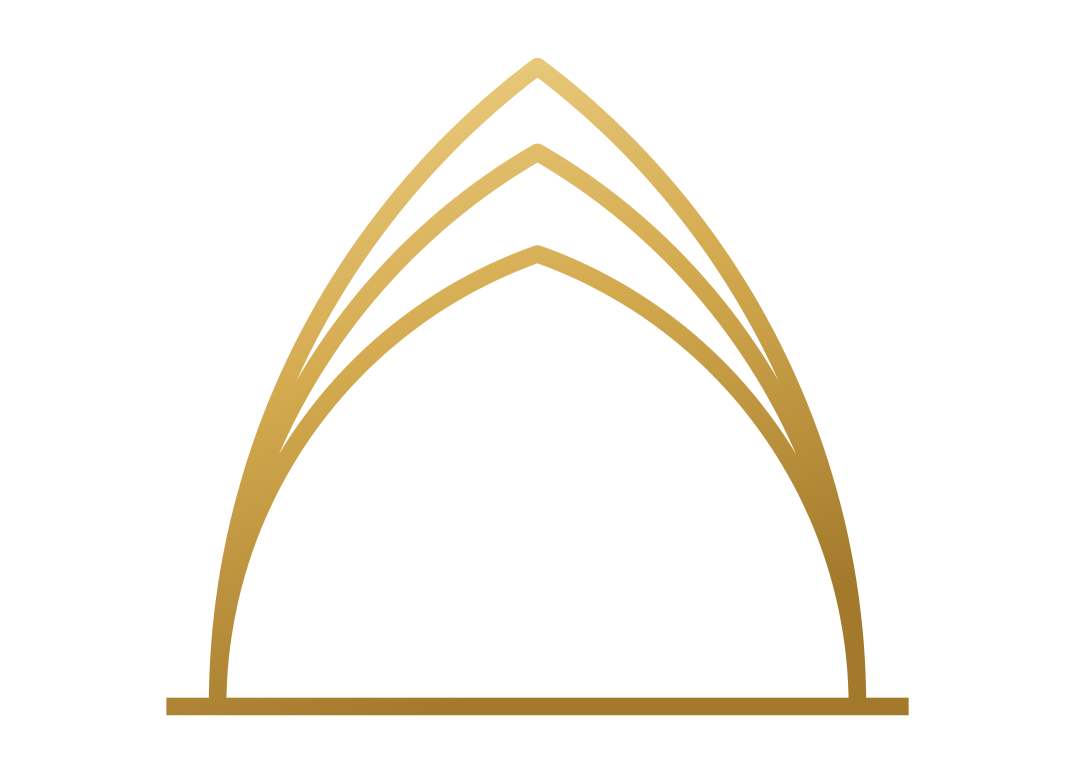
Three arches on one span
Each flank is an arc swung from a pin on the springing line.
Read the plate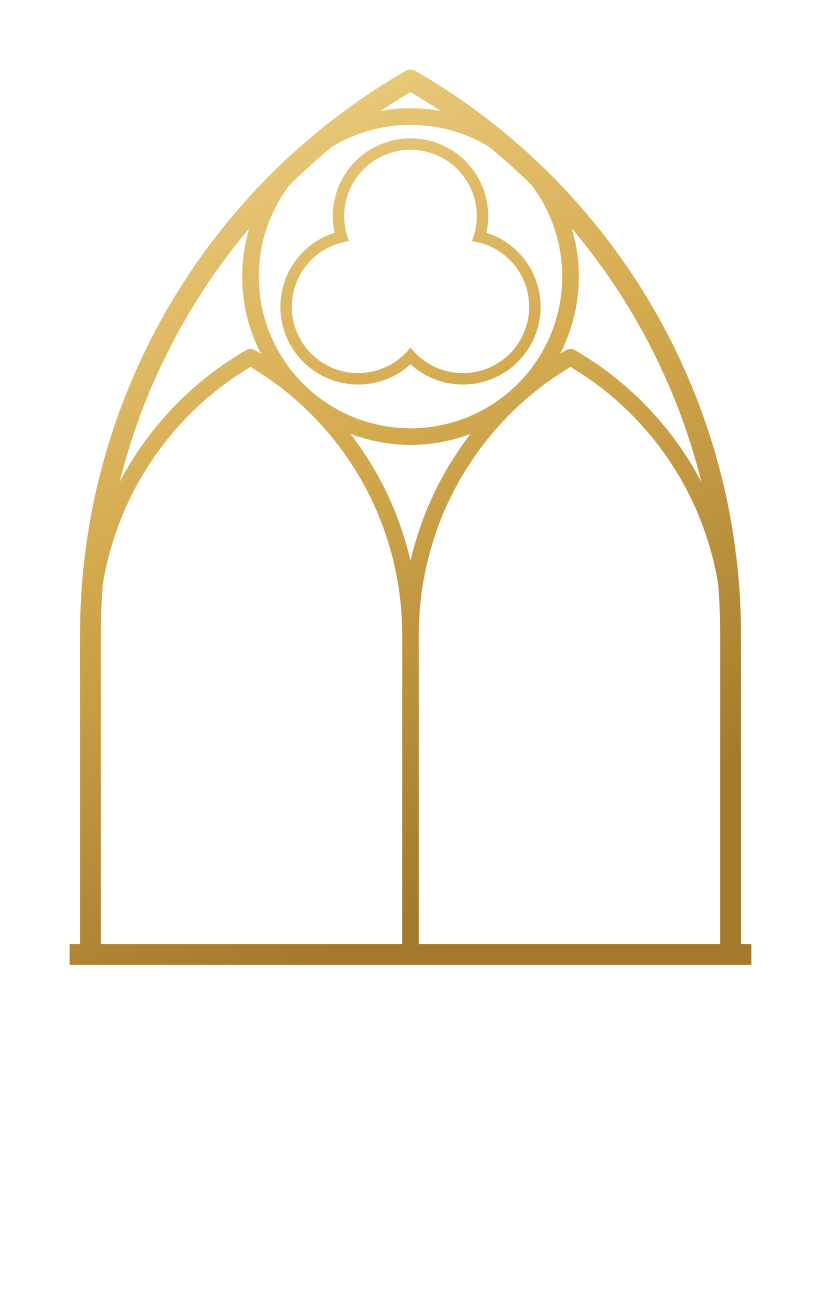
Two lights and an oculus
An equilateral arch on the span, two smaller ones inside it, and a circle whose centre is found by one arc swung from the springing through the quarter point.
Read the plate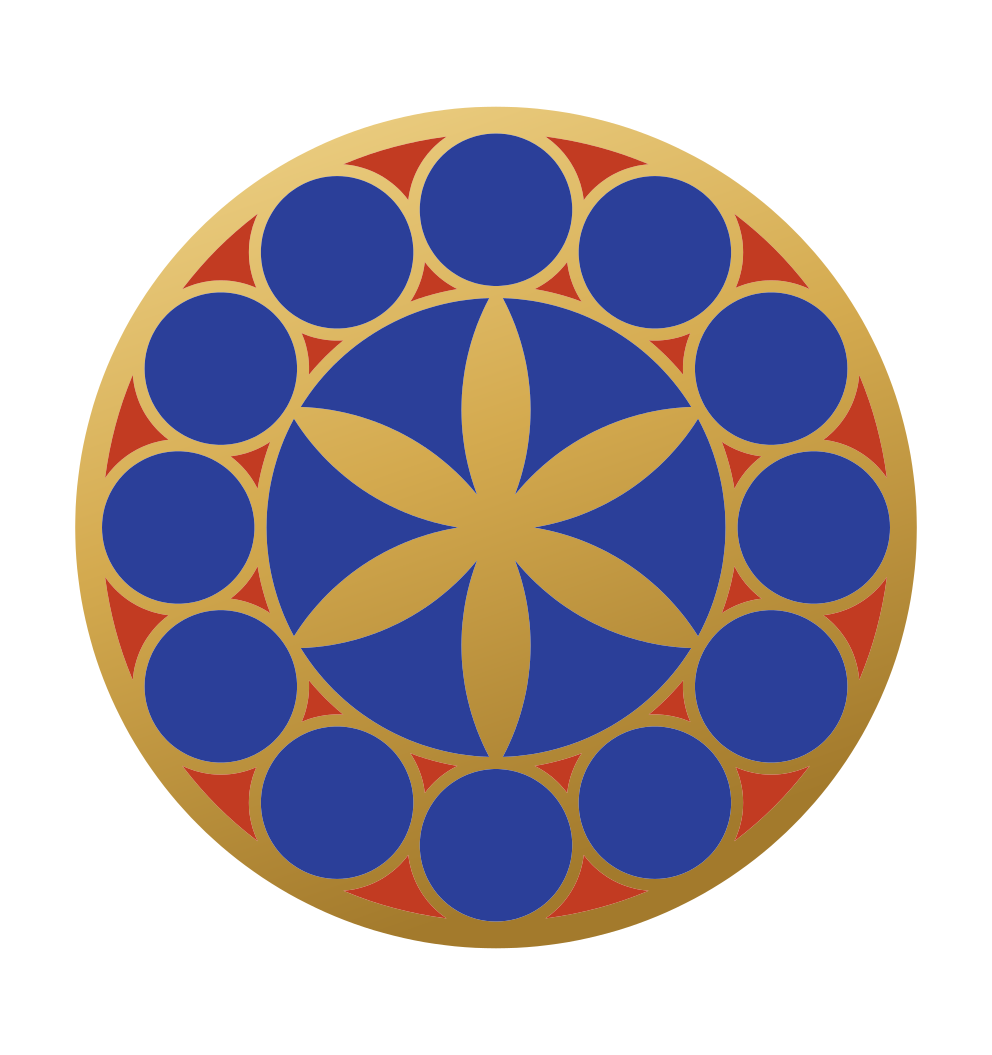
Rose of twelve
Walk the compass round the rim at its own opening and it closes in six steps.
Read the plate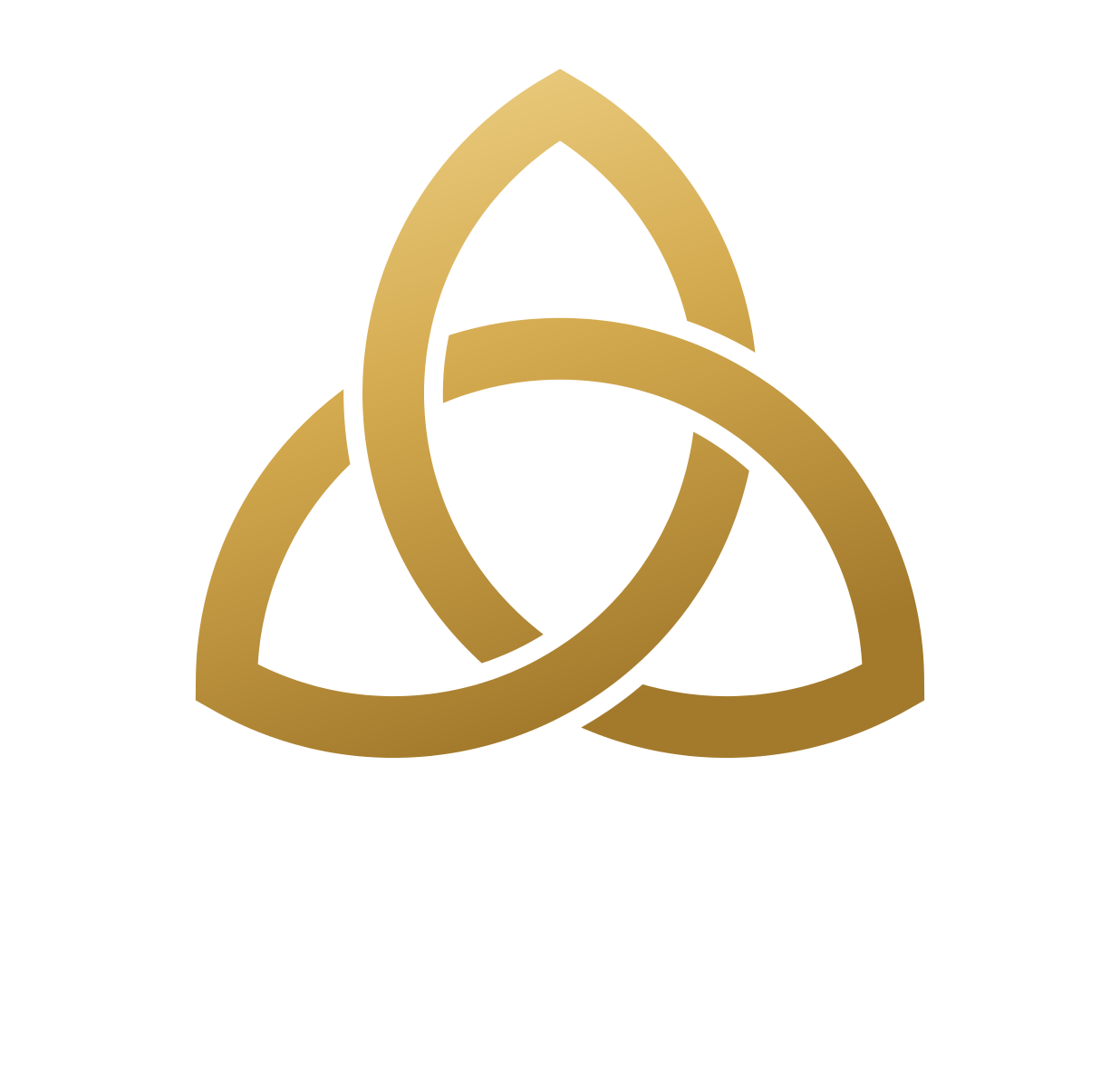
Triquetra
Three circles on the corners of an equilateral triangle, each passing through the other two centres, so every pair is a vesica.
Read the plate
Five petal rose
Five lobes on the five steps of a true pentagon, which Euclid constructs exactly (Book IV, Proposition 11).
Read the plate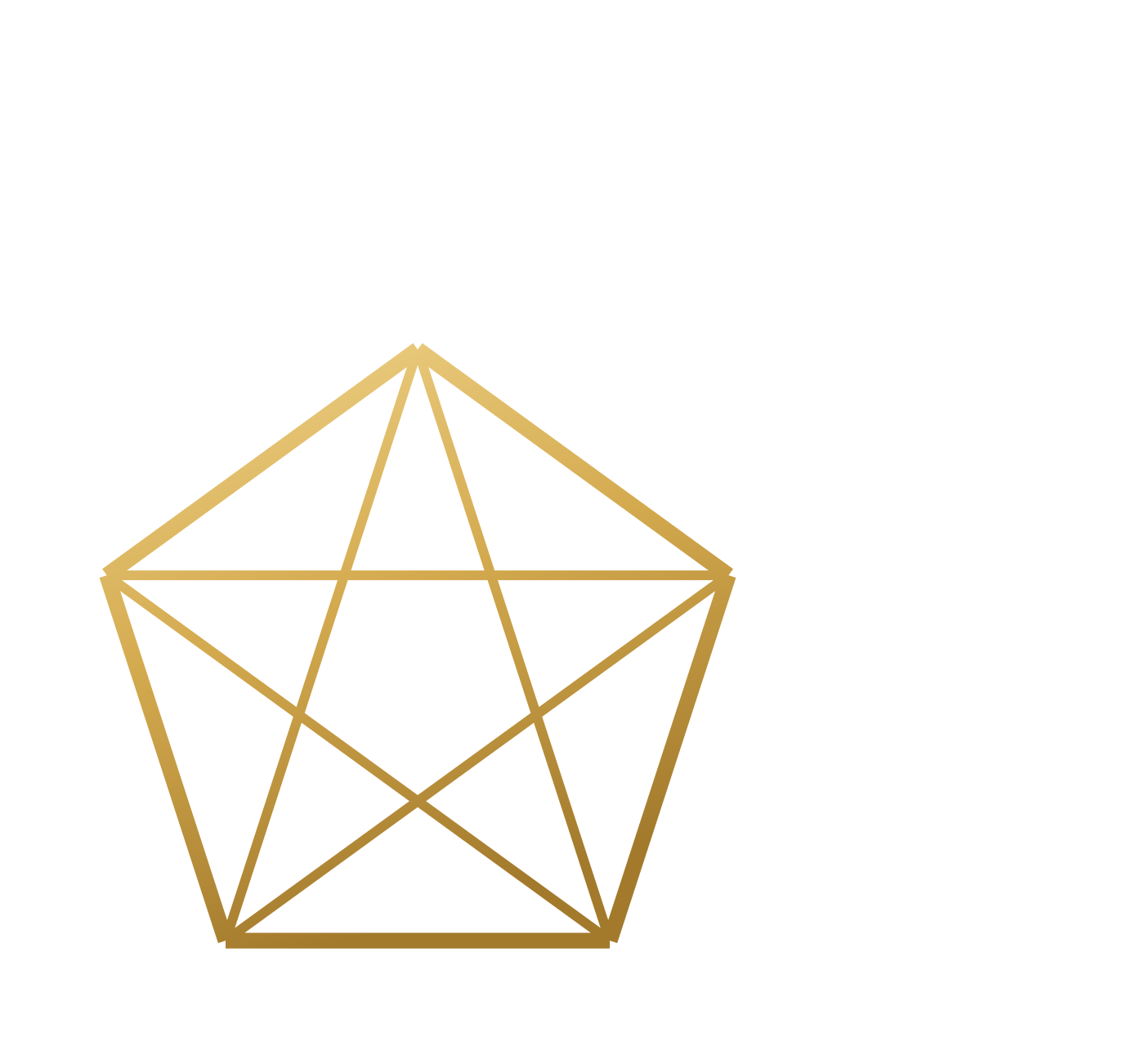
Pentagon, after Ptolemy
A diameter, its perpendicular, the midpoint of one radius, and one arc from that midpoint through the top of the circle.
Read the plate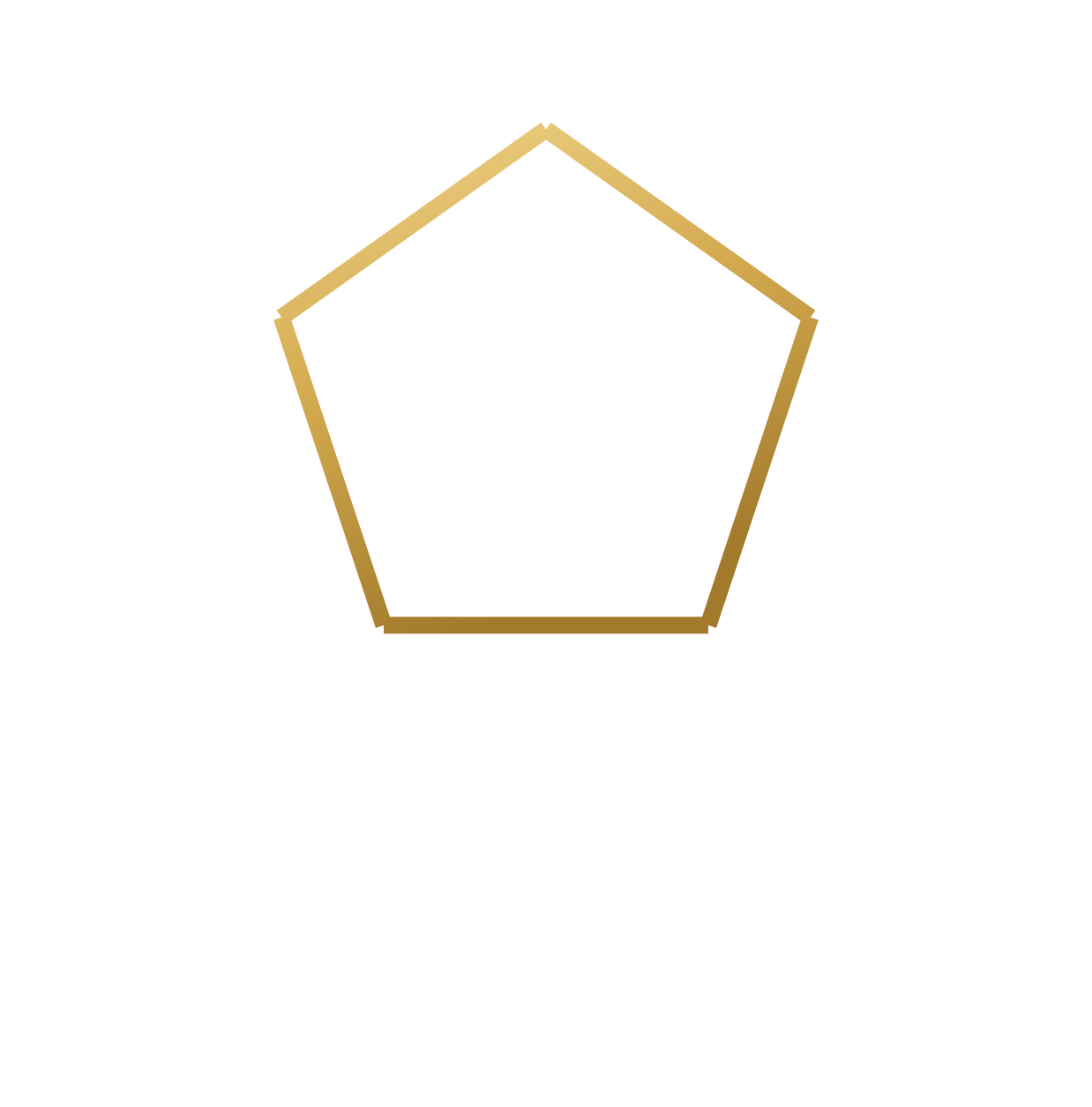
Pentagon, one opening
The compass is set once and never moved: the method of the workshop booklet Geometria deutsch, printed again by Dürer in 1525.
Read the plate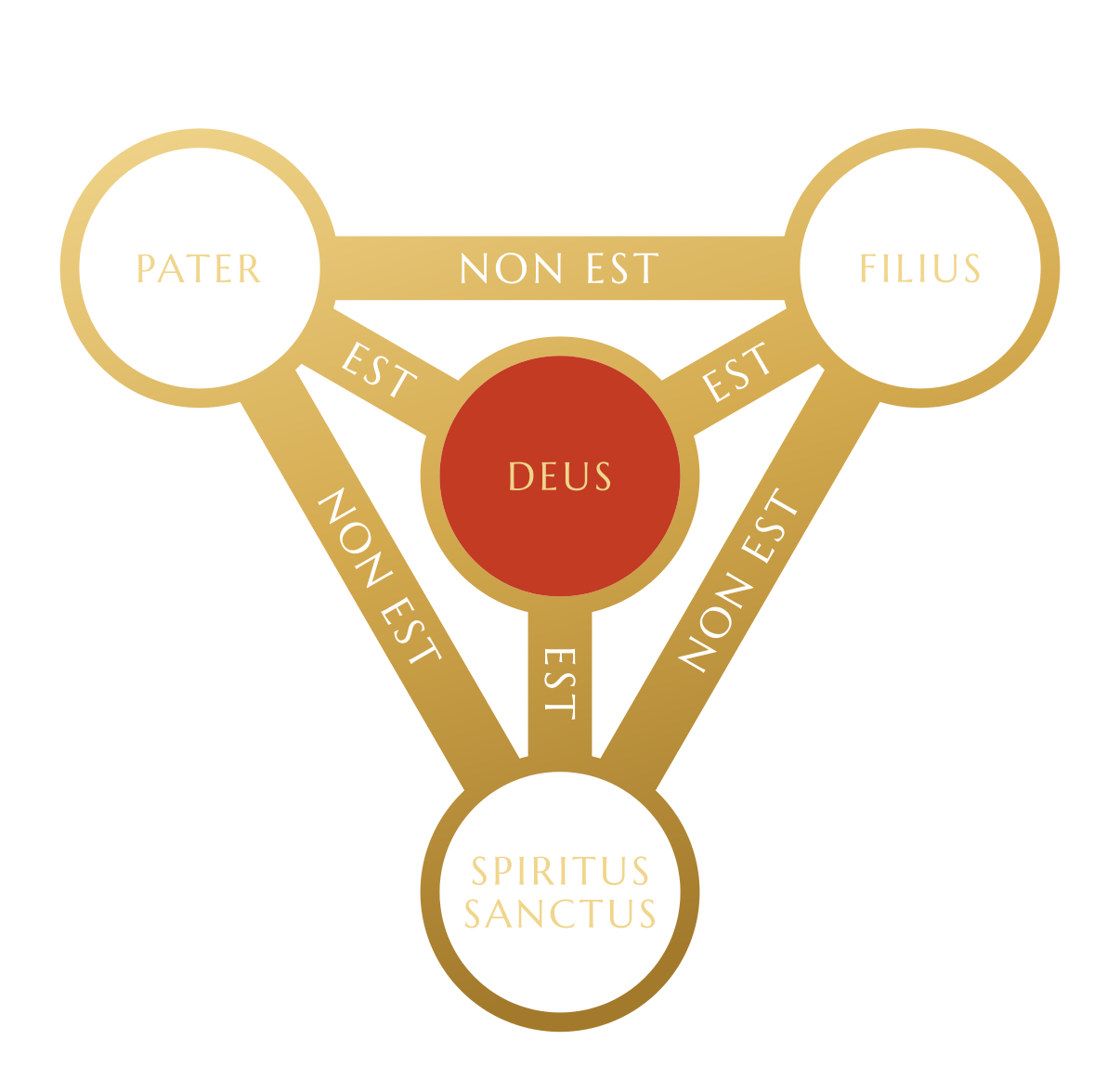
Shield of the Trinity
A medieval teaching diagram: three circles on a circle and one at its centre, joined by six bands.
Read the plate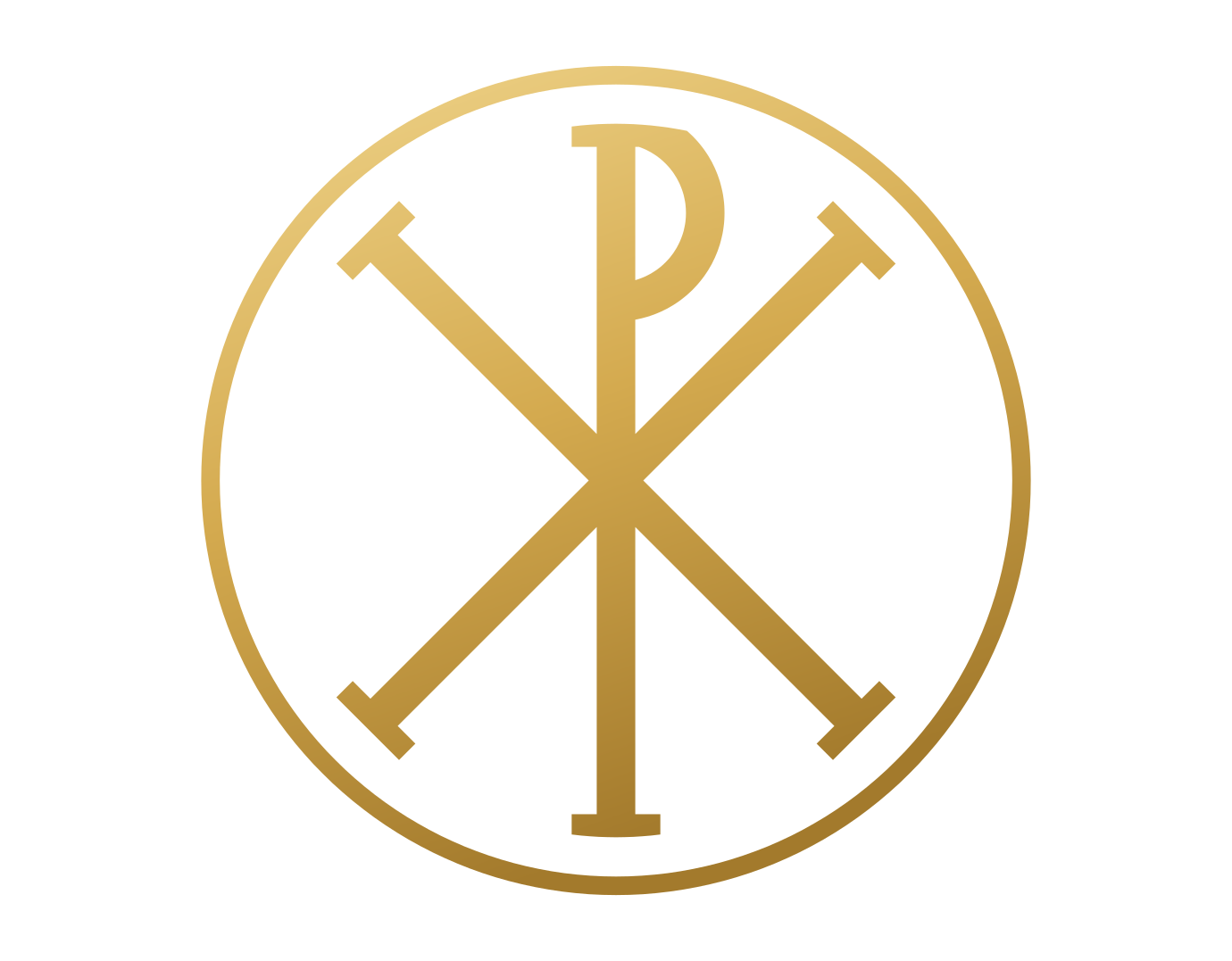
Chi rho
The first two letters of Christ’s name in Greek, chi and rho, set one through the other.
Read the plate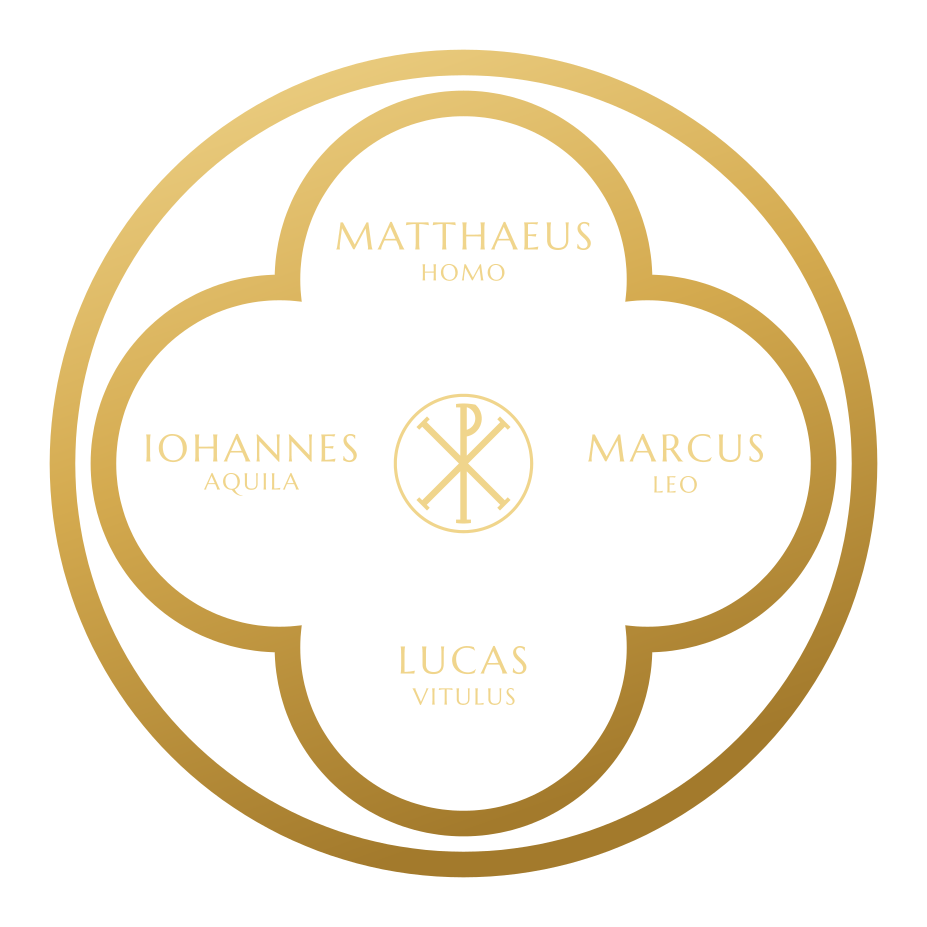
The four evangelists
A quatrefoil set on the cross, each lobe lettered with an evangelist’s name in Latin and his living creature in the words of the Vulgate.
Read the plate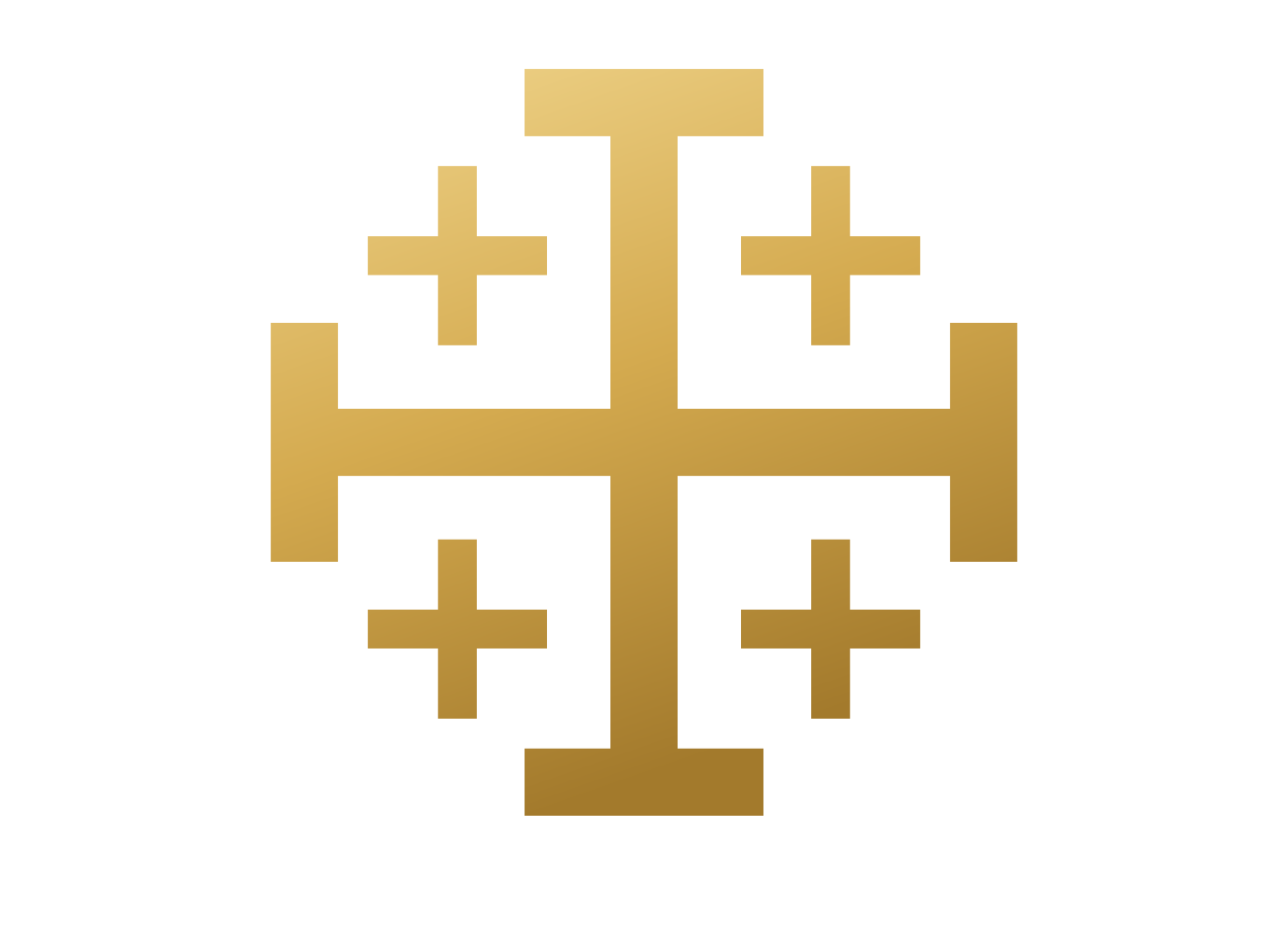
Jerusalem cross
A cross potent, its arms ending in crutches, between four small crosses.
Read the plate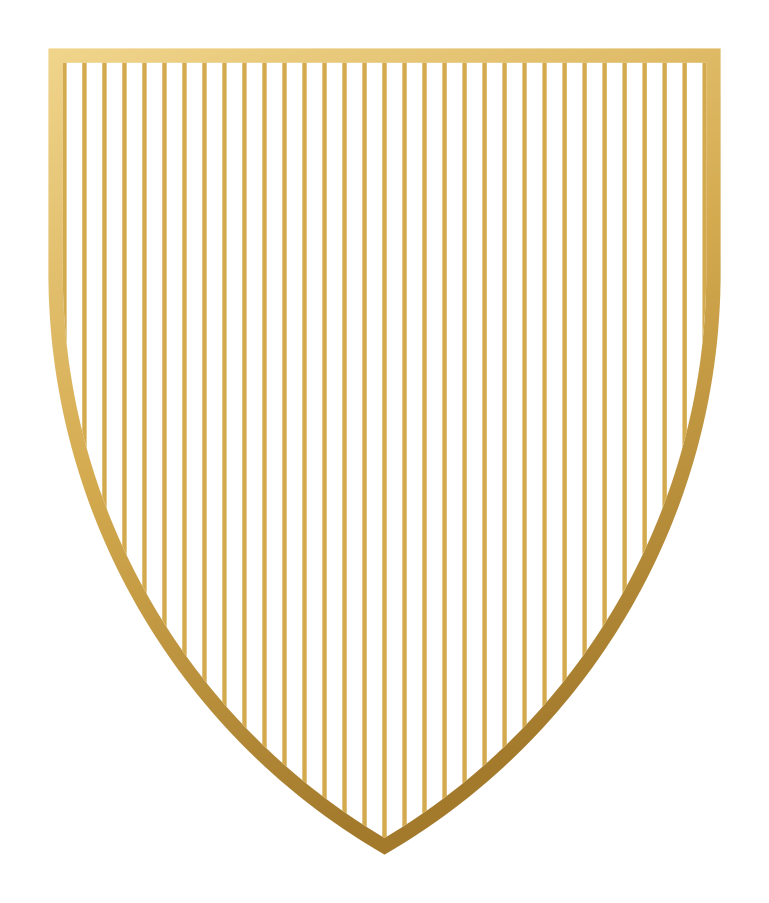
Heater shield, gules
Here the flanks are arcs whose radius is the full width of the shield, each swung from the foot of the opposite side, so the point is the apex of a vesica.
Read the plate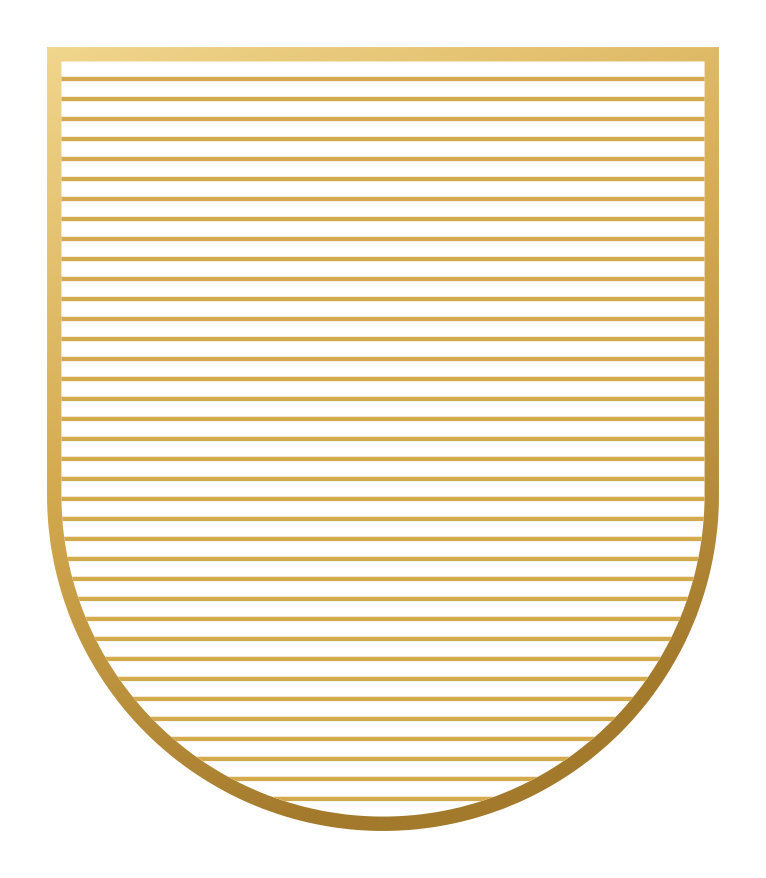
Spanish shield, azure
Straight sides closed by one half circle about their foot.
Read the plate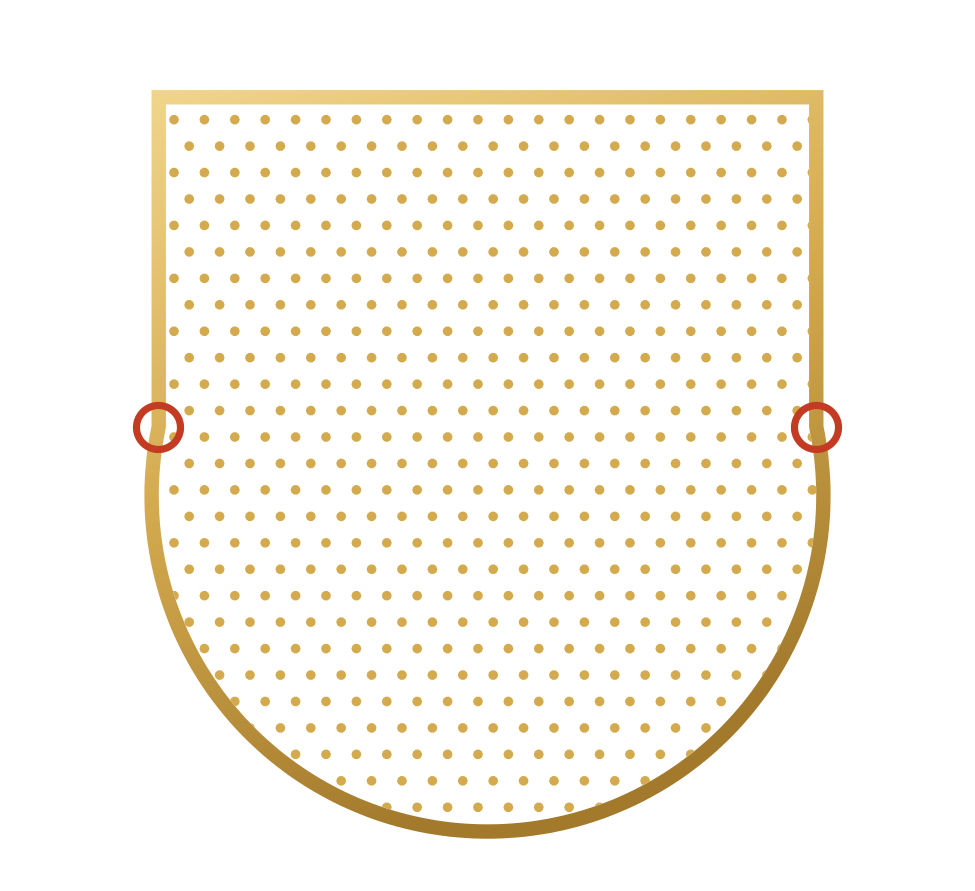
Roriczer’s shield
“So einer ein schilt mit der geometry machen wil”: the workshop booklet Geometria deutsch, attributed to Mathes Roriczer, builds a shield from a square under the chief, a diagonal swung down the axis, and one arc for the base about a point between.
Read the plate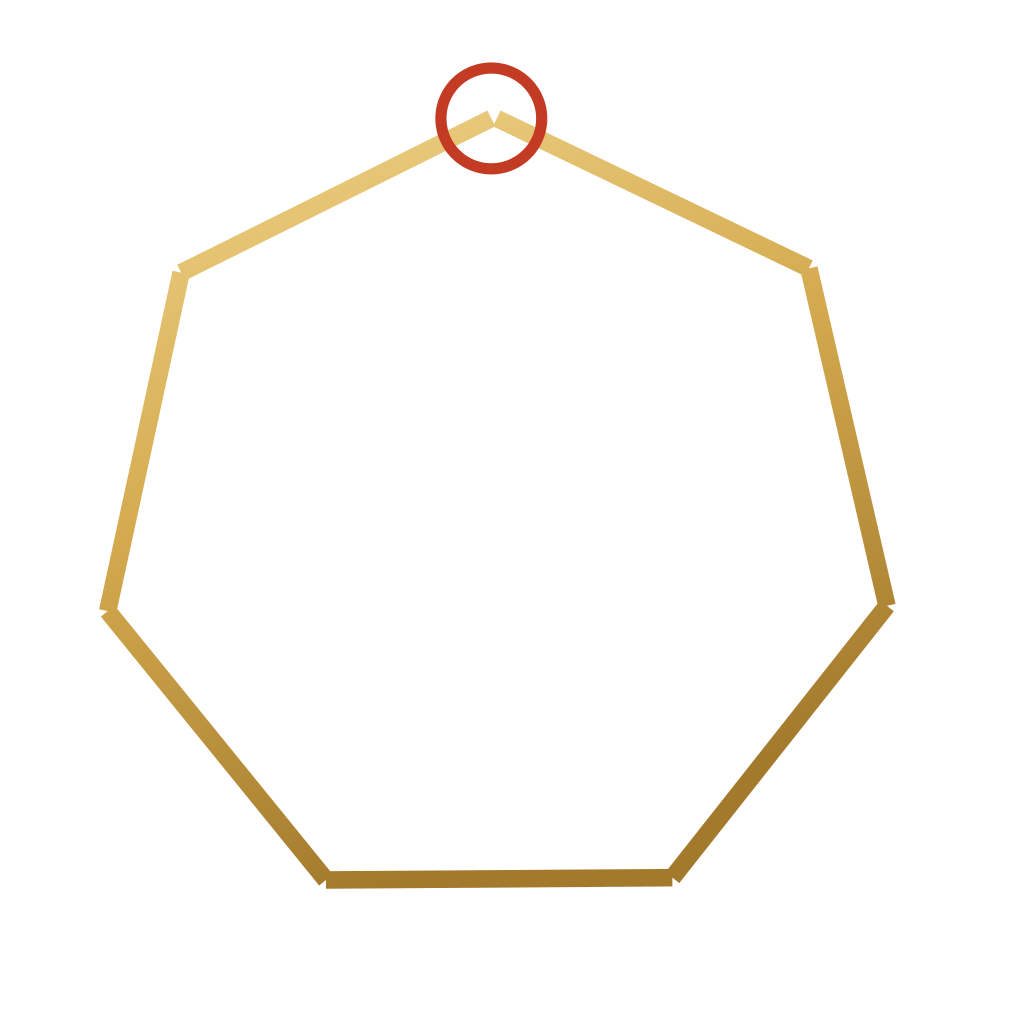
Seven will not close
No compass and straightedge can draw a true seven sided figure: Gauss stated it in 1801 and Wantzel proved it in 1837.
Read the plate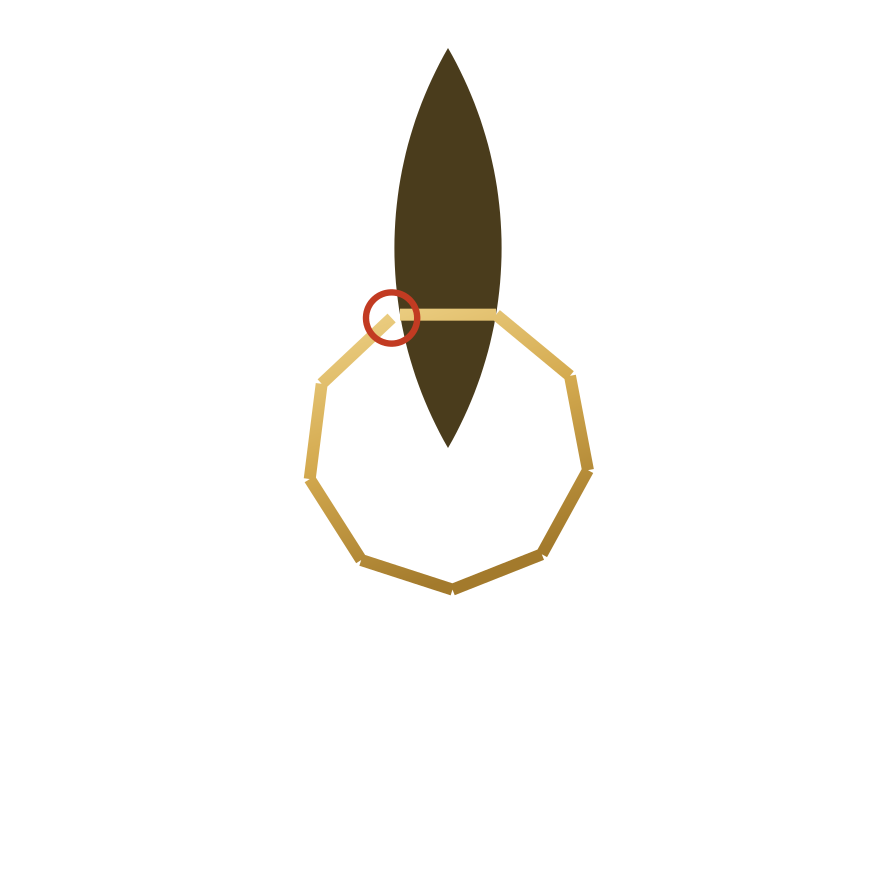
Nine from six
Dürer’s nonagon of 1525.
Read the plate
House mark
A stem with crossbars, struts and chevrons, each named by its place.
Read the plate